When you think of Thailand, vibrant markets, tantalizing cuisine, and lush landscapes likely come to mind. What you might not realize is that one of the country’s most sustainable, multifunctional resources is none other than the humble banana leaf. With its striking green color and durable structure, the banana leaf is an integral part of Thai culture, cuisine, and even craft.
Culinary Delight
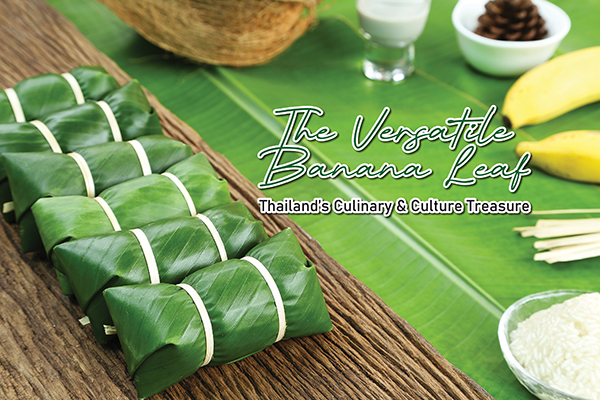
In Thai food culture, banana leaves are more than just a pretty wrapping; they are a way to enhance flavors while contributing to the visual appeal of a dish. Street food vendors creatively use these leaves to wrap traditional items like Jasmine rice, grilled fish, and sticky rice desserts, infusing them with a subtle aroma that elevates the dining experience. Dishes like “Hoy Tod” (shrimp and mussel omelet) are often served in banana leaf cups, making each serving a feast for the eyes as well as the palate. The leaves act as a natural barrier against heat, allowing food to steam perfectly and retaining moisture without the use of plastic.
Cultural Significance
Banana leaves are steeped in tradition and symbolism in Thailand. During ceremonies such as weddings and funerals, they are used to create decorative arrangements that symbolize prosperity and good fortune. In Buddhist practices, banana leaves hold spiritual significance, often found as offerings in temples, further solidifying their role in the spiritual fabric of Thai society.
Craft and Decoration
Beyond the kitchen and ceremonies, banana leaves transform into beautiful crafts. Artisans create intricate designs—including baskets, mats, and fans—from dried banana leaves. These handmade crafts not only showcase Thailand’s artisanal talents but also promote eco-sustainability, as they are biodegradable and require minimal energy for production.
Loy Krathong Festival
During the Loy Krathong festival, celebrated with great enthusiasm in Chiang Mai and other parts of Thailand, banana leaves take on a special role as vibrant decorations. Homes and temples are adorned with colorful arrangements and ornate krathongs—floating baskets typically made from banana leaves—symbolizing the release of negative emotions and inviting good fortune. The lush green of the banana leaf contrasts beautifully with the vibrant flowers and candles often placed on these krathongs, creating an enchanting atmosphere that reflects the festival’s spirit of reflection and celebration. This beautiful tradition not only highlights the aesthetic qualities of banana leaves but also emphasizes their significance in Thai spirituality and communal harmony.
Eco-Friendly Packaging
In a world increasingly aware of plastic pollution, banana leaves present a brilliant alternative for eco-conscious consumers. Many Thai restaurants are embracing banana leaves as an environmentally friendly packaging option for takeout meals. This shift highlights a growing trend to revert to traditional methods that respect nature while promoting healthful eating.
The Adventure Continues
So, the next time you find yourself in Thailand, take a moment to appreciate the many ways banana leaves enrich the culinary landscape, cultural practices, and sustainable crafts. Whether you’re savoring a delectable dish wrapped in a leaf, witnessing it as part of a ceremonial backdrop, or enjoying a handmade artisan piece, you’re experiencing the multifaceted charm of this underappreciated natural resource. Embrace the flavor, tradition, and eco-friendliness of banana leaves, a quintessential part of the Thai experience.
February 2026.