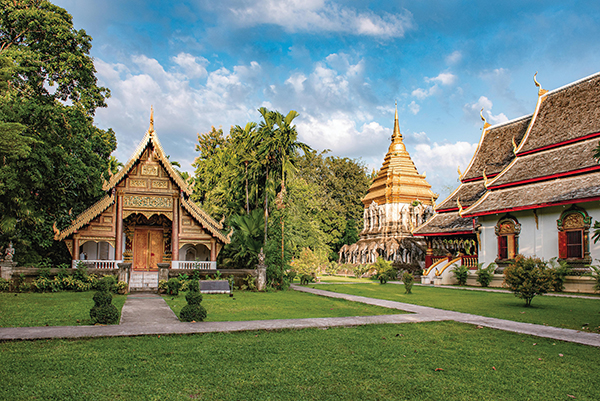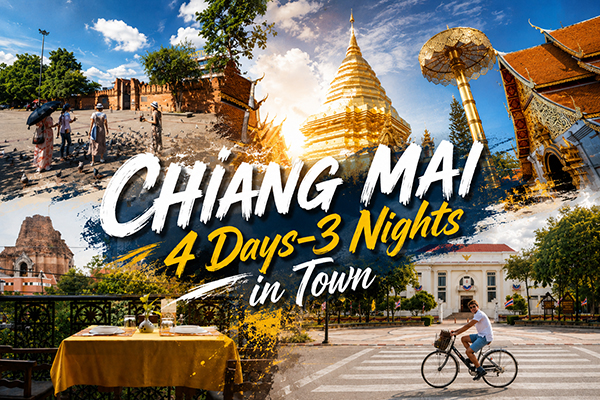
Chiang Mai, Thailand’s cultural crown jewel, captivates visitors with its stunning temples, warm hospitality, and authentic charm. Located in northern Thailand, this ancient city was founded in 1296 by King Mengrai and served as the capital of the Lanna Kingdom for centuries. Today, Chiang Mai remains a living repository of traditional Thai Buddhist culture, seamlessly blending spiritual heritage with vibrant modern attractions. Home to over 300 temples, the city’s skyline glitters with golden spires and intricate architectural details that reflect centuries of artistic mastery. The surrounding mountains provide breathtaking natural beauty, while the Ping River flows gracefully through the city center, creating a peaceful atmosphere that contrasts beautifully with bustling markets and lively neighborhoods. This month, Chang Puak Magazine has carefully crafted the perfect itinerary to help you discover Chiang Mai’s magic and experience authentic northern Thai culture.
Day 1: Arrival, Temples & Artistic Discovery.
After checking into your hotel, prepare for an unforgettable spiritual journey. Head to the iconic Doi Suthep Temple, perched majestically 1,000 meters above the city on a verdant mountainside. This golden-roofed sanctuary is Chiang Mai’s most sacred site, featuring stunning Lanna architecture with its distinctive steep-pitched roof and ornate golden stupa. The temple’s intricate woodcarvings, jeweled decorations, and elegant pillars showcase traditional Thai craftsmanship at its finest. The 300-step climb rewards visitors with breathtaking panoramic views of Chiang Mai’s sprawling landscape and mountain ranges (you can also choose to go up with the cable cars). Built in 1383, Doi Suthep remains a vital pilgrimage destination, with monks conducting daily rituals and ceremonies that echo through its hallowed chambers.
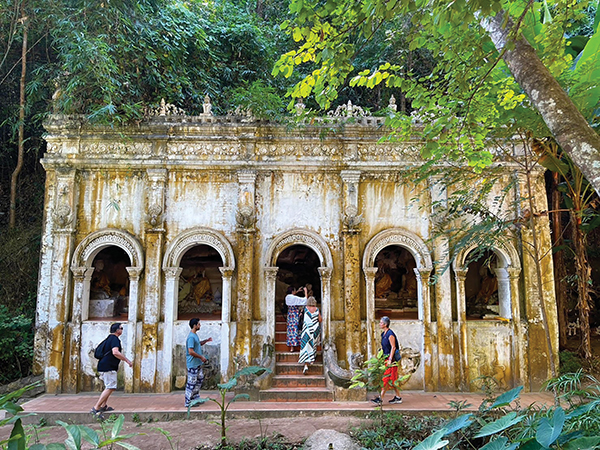
En route up the mountain, stop at Wat Pha Lat Temple, a hidden jungle temple with mesmerizing ancient ruins surrounded by lush, mystical greenery. This atmospheric temple, partially reclaimed by nature, offers a serene contrast to more ornate sites. Walking through its weathered structures and moss-covered stones feels like stepping into history itself.
On the way back from these two beautiful temples stop by Baan Kang Wat, an enchanting artist village where visitors encounter local craftspeople preserving traditional Lanna arts. Wander through open studios watching artisans create woodcarvings, paintings, and sculptures. Browse unique souvenirs while directly supporting local artists and learning about their creative processes.
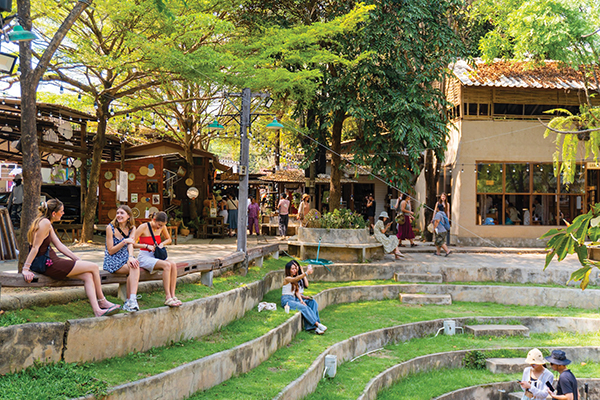
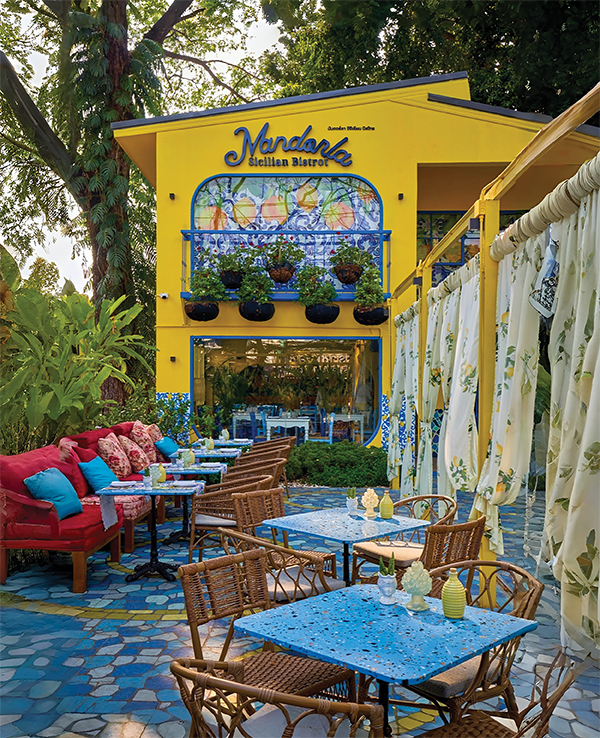
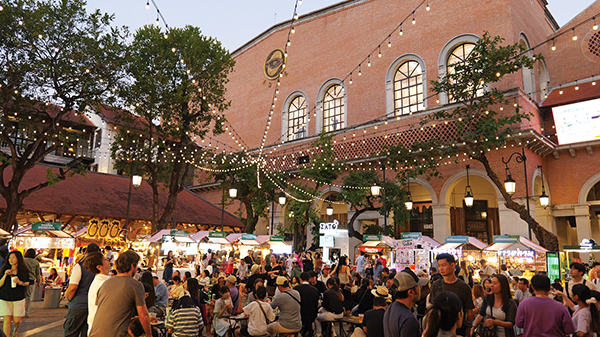
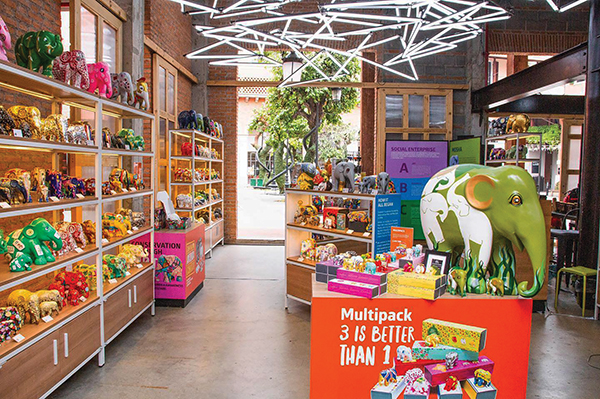
Evening brings culinary delight at Mandorla, a Sicilian restaurant on Sirimaklajarn Road, offering a delightful European escape. Afterwards, experience the vibrant energy of One Nimman, an upscale lifestyle complex in the trendy Nimman neighborhood. Don’t miss the Elephant Parade Shop—featuring whimsical, colorful elephant art and sculptures that make perfect souvenirs while supporting elephant conservation efforts. Enjoy live music performances and fine wine selections while soaking in the cosmopolitan atmosphere before returning to your hotel. (All places and visit areas in this Day one schedule are in close area).
Day 2: Wildlife Encounters & Traditional Wellness
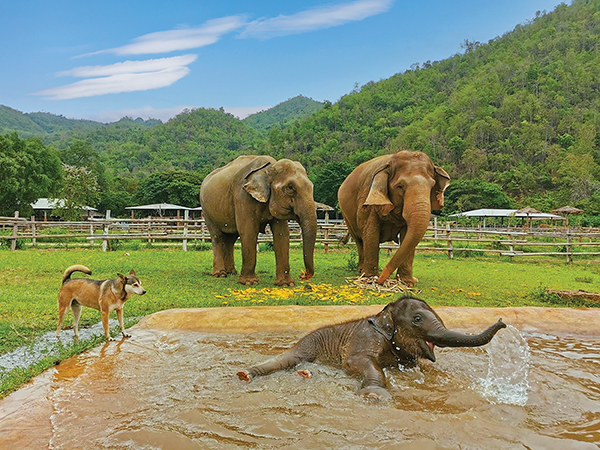
Begin your day with an ethical, meaningful elephant encounter at Elephant Nature Park, Thailand’s premier ethical sanctuary. Unlike traditional elephant camps, this revolutionary facility prioritizes animal welfare above entertainment. Rescued elephants roam freely in natural habitats spanning over 2,500 acres of lush terrain. Visitors observe these magnificent creatures in genuine social groups, understanding their complex personalities and remarkable intelligence. The sanctuary’s educational programs highlight conservation efforts and the ongoing rehabilitation of traumatized elephants, making this experience both heartwarming and enlightening.
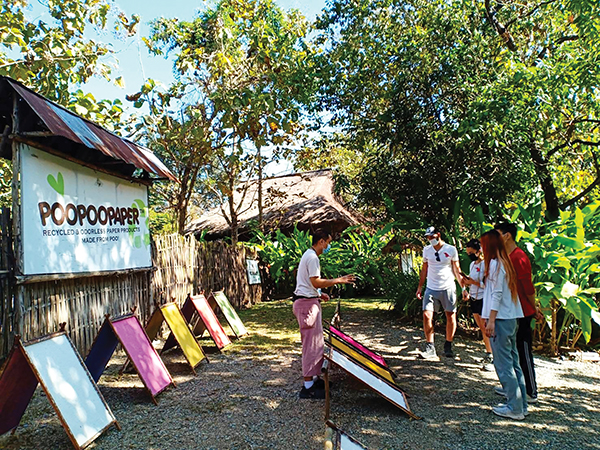
Stop at the quirky Elephant POOPOO Paper Park in Mae Rim—a fun, eco-friendly enterprise ingeniously converting elephant dung into quality paper products. This sustainable initiative keeps the day’s elephant theme while showcasing innovative environmental solutions. Visitors can participate in papermaking workshops, learning traditional techniques while supporting conservation through every purchase.
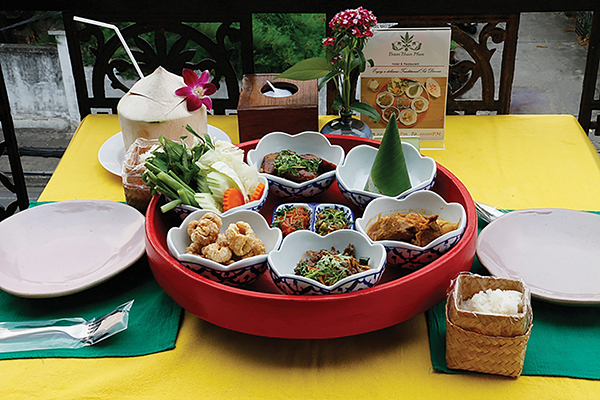
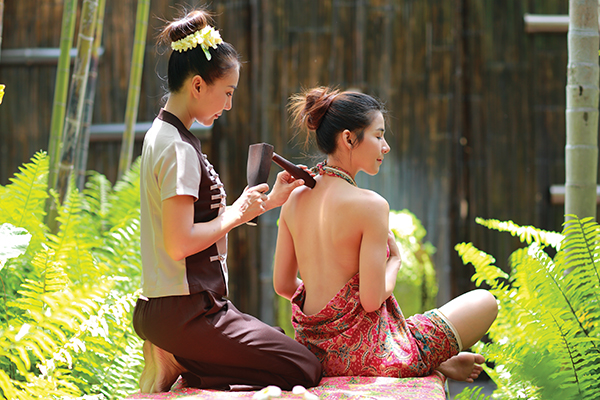
Watch the sunset from Fah Lanna Spa, eiat their old town branch and unwind in a once in a lifetime spa treatment in the most luxurious spa in town (prices for spa packsges starting at only THB 1,600 for two hours; treatment at THB 400 for 30 minutes). Skilled massage therapists work on pressure points, promoting relaxation and rejuvenation. From there, walk to Baan Huen Phen Hotel to enjoy authentic Lanna cuisine—the distinctive regional cooking style of northern Thailand. Their top-floor restaurant offers a beautiful view over the neighborhood. This traditional fare features unique dishes like khao soi (curry noodles), sai oua (spiced sausage), and nam prik ong (tomato-chili dip). The illuminated temple views create a magical evening ambiance.
Day 3: Old City Cultural Immersion
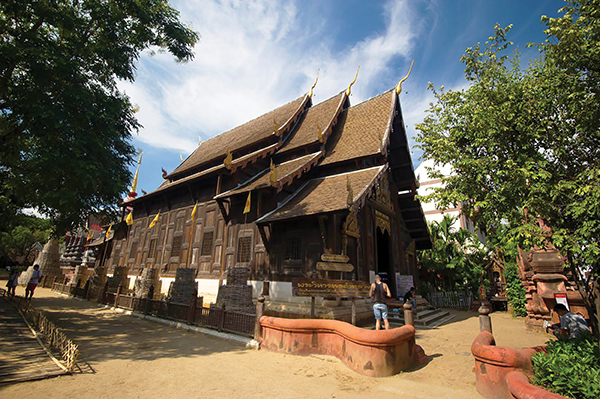
Rise early to witness the city awakening. Explore three magnificent temples within the old city’s ancient moat and walls: Wat Phra Singh (built 1345), an architectural masterpiece showcasing classic Lanna design with intricate wooden carvings and revered Buddha images; Wat Chedi Luang, an enormous 80-meter stupa constructed in 1401 that dominates the skyline; and Wat Phan Tao, a temple known for its beautiful wiharn constructed entirely from teak wood.
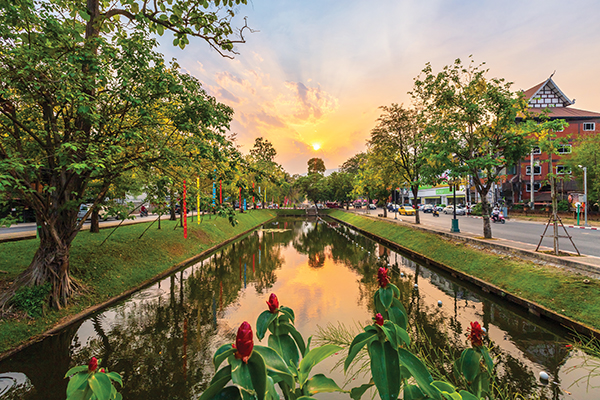
Stroll alongside the serene moat that encircles the old city, enjoying peaceful tree-lined paths. Stop at vendor stalls to sample sticky rice with fresh mango—a beloved Thai dessert combining sweet creamy mango with glutinous rice and coconut cream. Alternatively, refresh yourself with colorful fruit shakes made from fresh papaya, watermelon, or dragon fruit pressed fresh before your eyes.
Visit the Lanna Museum, centrally located in the old city and housed in a beautifully restored traditional Lanna building. Three floors of exhibits showcase the region’s history, art, textiles, and daily life, providing deeper cultural understanding of northern Thailand’s unique heritage.
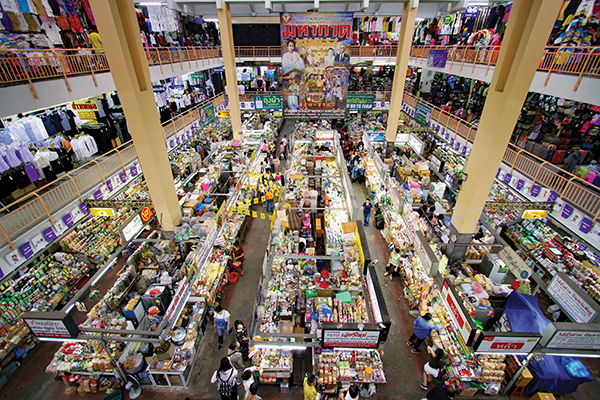
In the afternoon, explore Sankampaeng Road, lined with family-run handicraft workshops. Visit silverware workshops where artisans create intricate jewelry using traditional techniques, Thai silk studios producing vibrant fabrics with natural dyes, celadon pottery workshops creating distinctive jade-green ceramics, and cotton weaving demonstrations on traditional looms. Alternatively, visit Warorot Market (closes 5 PM), the city’s most famous traditional market offering everything from fresh flowers to souvenirs.
Day 4: Relaxation & Departure
Enjoy a leisurely breakfast at your hotel, savoring Thai and international culinary dishes while reflecting on your journey. Before checkout, relax by the pool during late morning hours. Use this quiet time for personal reflection. Float in the cool water, recline on loungers, or simply sit peacefully watching the tropical landscape. Consider a final foot massage around your hotel to ease any travel fatigue.
As departure time approaches, gather your belongings and head to the airport. You depart with handcrafted souvenirs from local artisans, treasured photographs, and most importantly, an abundance of unforgettable memories. Chiang Mai will remain etched in your heart—a magical destination inviting you to return again and again.
July 2026.