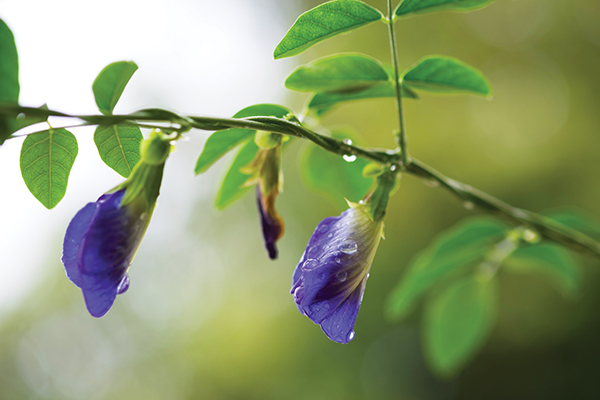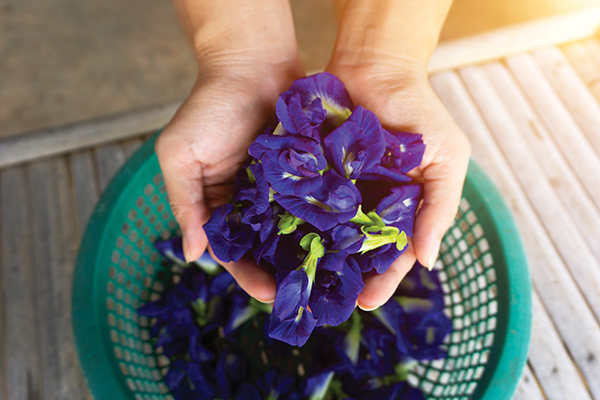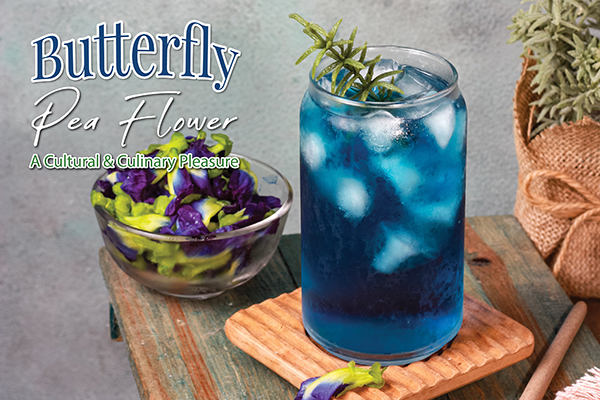
As you wander through the vibrant markets and lush landscapes of Chiang Mai, the enchanting butterfly pea flower (Clitoria ternatea) beckons for your attention. With its breathtaking blue and purple blossoms, this stunning plant, often seen gracefully climbing garden trellises or spilling over the edges of pots, is far more than just a beautiful sight—it’s a multifaceted treasure woven into the fabric of Thai culture.
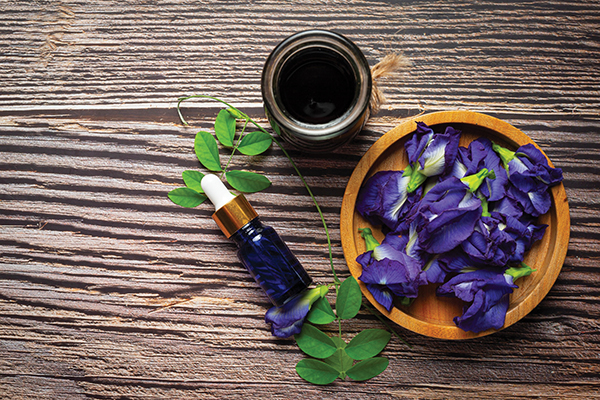
Historically, the butterfly pea flower has held a significant place in Southeast Asian culture and traditional medicine for centuries. Revered not only for its striking appearance, it has been employed by Thai herbalists for numerous remedies. They believe in its relaxing properties and cognitive benefits, using it to alleviate stress and boost memory. In rural areas, parents often brew tea from the flower to promote tranquility for their children during stressful times or to aid in studying.
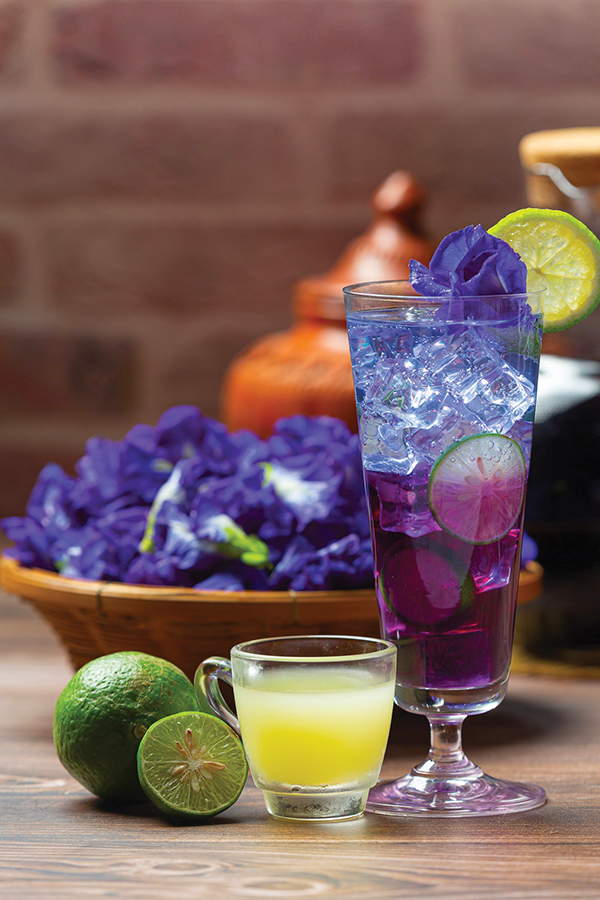
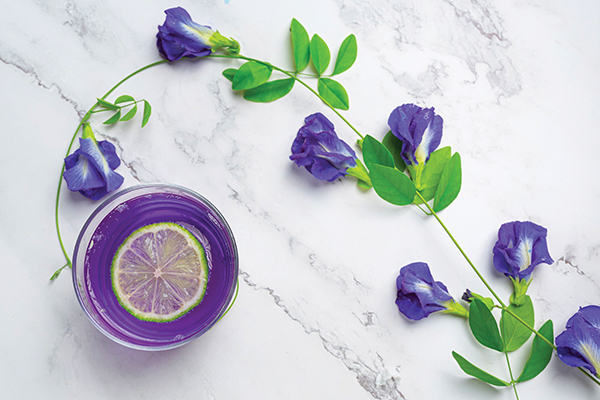
The visual allure of the butterfly pea flower is nothing short of remarkable. The deep blue and purple petals, when brewed into tea, transition into a stunning cerulean hue that captivates drinkers’ imaginations. This transformation is not merely aesthetic; it serves to enhance dining experiences in truly magical ways. The tea, often sweetened with honey and served chilled, creates a stunning visual when combined with citrus juices, transitioning from blue to a mesmerizing lavender or even pink, thanks to the flower’s natural pH sensitivity.
In the rich tapestry of Thai culinary practices, the uses of butterfly pea flower extend well beyond tea. This versatile flower stars in a multitude of dishes that showcase its vibrant color and nutritional benefits. From the striking blue rice served alongside flavorful curries to desserts that surprise and delight, such as butterfly pea-infused sticky rice and coconut pudding, this flower adds both visual and health benefits to traditional recipes. You might even stumble upon innovative cocktails that integrate butterfly pea flower, creating whimsical drinks that surprise your taste buds and elevate your evening outings.
In addition to its culinary uses, the butterfly pea flower has also deep cultural significance in Thailand. It’s often used in traditional practices, such as dyeing textiles, demonstrating its value as a resource. One particular belief that stands out is its use in the adornment of newborns: the flower is sometimes utilized to draw eyebrows on Thai infants, symbolizing beauty and vitality, and hopping for a beautiful dark color of the eyebrowns. This practice reflects the community’s deep connection to nature and the importance of ritual in celebrating new life.
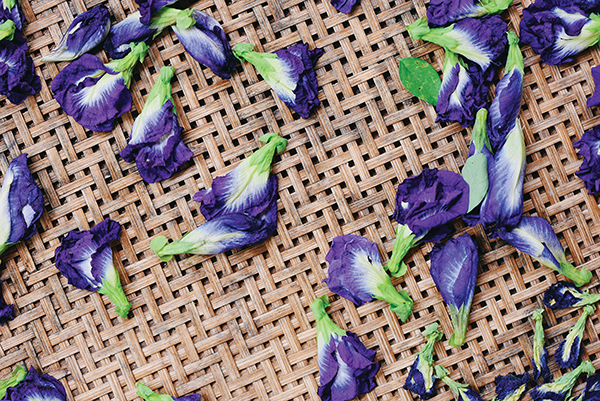
For those venturing to northern Thailand, particularly Chiang Mai, you can easily find dried butterfly pea flowers ready for you to take home. The Rimping Store, a local favorite, offers these vibrant flowers in packaged form, making it convenient for both tourists and locals to explore the diverse applications of this botanical gem.
Whether you’re considering brewing your own tea or experimenting with colorful culinary creations, the dried butterfly pea flower adds a unique flavor and hue to your kitchen endeavors.
September 2025.