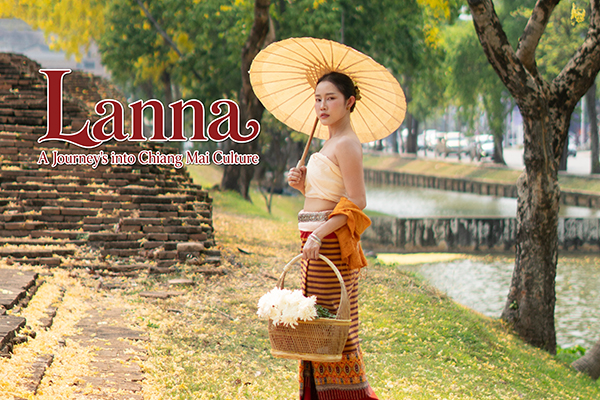
Chiang Mai, the cultural capital of northern Thailand, is a treasure trove of history, tradition, and eclectic charm. Known as the heart of the Lanna culture, this region is a vibrant patchwork of unique customs and practices that set it apart from the rest of Thailand. From the distinctive architecture and delicious cuisine to captivating crafts and intriguing language, the Lanna culture is both inviting and fascinating.
Let’s embark on a journey to explore what makes Lanna culture special!
Language: A Linguistic Diversion
One of the first aspects that highlights the uniqueness of Lanna culture is its language. While Thai is the official language of Thailand, the Lanna people speak a dialect known as “Kham Mueang” or “Lanna Thai”. This language is rich with tonal variations and distinct vocabulary, making it a delightful challenge for outsiders to grasp. It reflects the region’s unique identity, carrying meanings that may not directly translate into standard Thai.
Indigo Clothing: A Symbol of Tradition
One of the most eye-catching elements of Lanna culture is indigo clothing, traditionally hand-dyed using the indigo plant. The process of creating indigo textiles is a labor of love; it involves harvesting, fermenting, and dyeing the fabric before it’s skillfully woven into beautiful clothing. Visitors can find local markets and workshops where artisans are more than willing to share their techniques, allowing you to connect with the region’s creative heart.
Weaving: The Art of Lanna Crafts
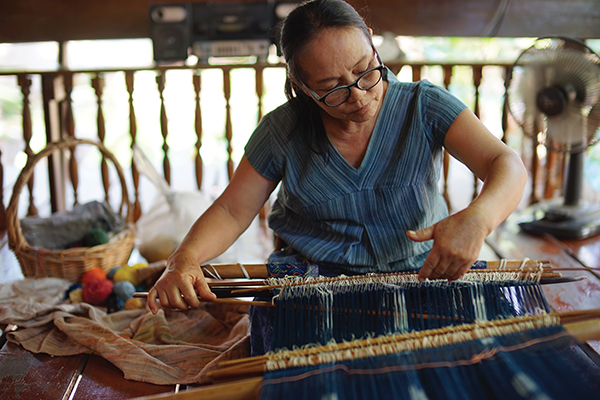
Weaving is an essential part of Lanna culture, with fabric artistry serving not only functional purposes but also offering insight into the culture’s rich narrative. In Chiang Mai, you can witness traditional hand-weaving techniques passed down through generations. The famed “Pha Khao Ma,” or traditional Thai scarf, is a perfect example of Lanna weaving mastery. Intrigued visitors can take part in workshops and create their own accessories, providing a tangible link to the region’s history.
Cuisine: A Gastronomic Delight
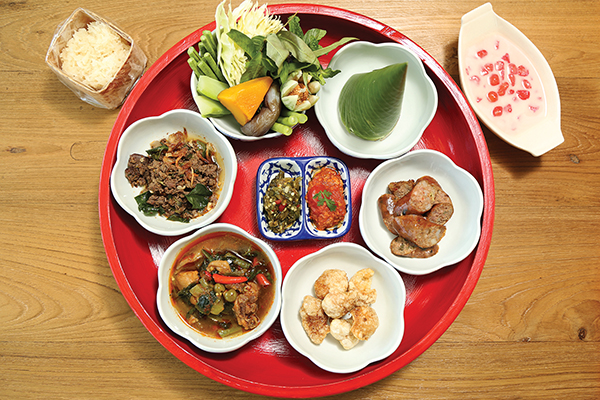
The culinary landscape of Lanna is a feast for the senses. What truly sets Lanna cuisine apart are its distinctive flavors that marry sweet, salty, spicy, and sour elements in perfect harmony. Dishes like “Khao Soi,” a creamy coconut curry noodle soup, and “Sai Oua,” a Northern Thai sausage bursting with fresh herbs and spices, exemplify the region’s signature tastes. Don’t miss the vibrant “Nam Prik Ong,” a spicy tomato dip served with fresh vegetables, which is often enjoyed communally, encouraging a familial dining experience.
When dining in Chiang Mai, it’s common to encounter “Khao Niew,” or sticky rice, which plays a fundamental role in Lanna cuisine. Locals pair sticky rice with curries and grilled meats, making it a crucial element of any Lanna meal.
Temple Architecture: The Spiritual Heart of Lanna
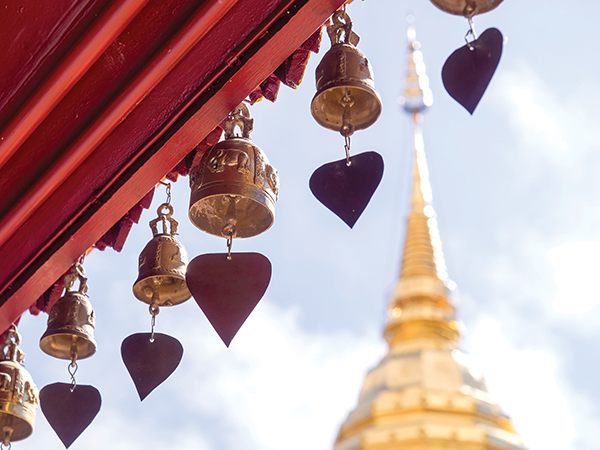
Lanna’s rich spiritual heritage is reflected in its stunning temple architecture. The temples here, or “Wats,” are characterized by elaborate decorations, intricate wood carvings, and unique tiered roofs that soar high into the sky. The iconic Wat Phra That Doi Suthep, perched high on a mountain overlooking Chiang Mai, is perhaps the most renowned example of Lanna architecture. It features a golden chedi that shines in the sunlight and is adorned with intricate murals depicting Buddhist stories.
Unlike the ornate, grand designs often found in central Thailand, Lanna temples embrace a more understated elegance that promotes a sense of peace and spirituality. The use of wooden structures beautifully integrates with the natural surroundings, inviting visitors to experience a sense of tranquility and reverence.
Housing Architecture: A Peek into Local Living
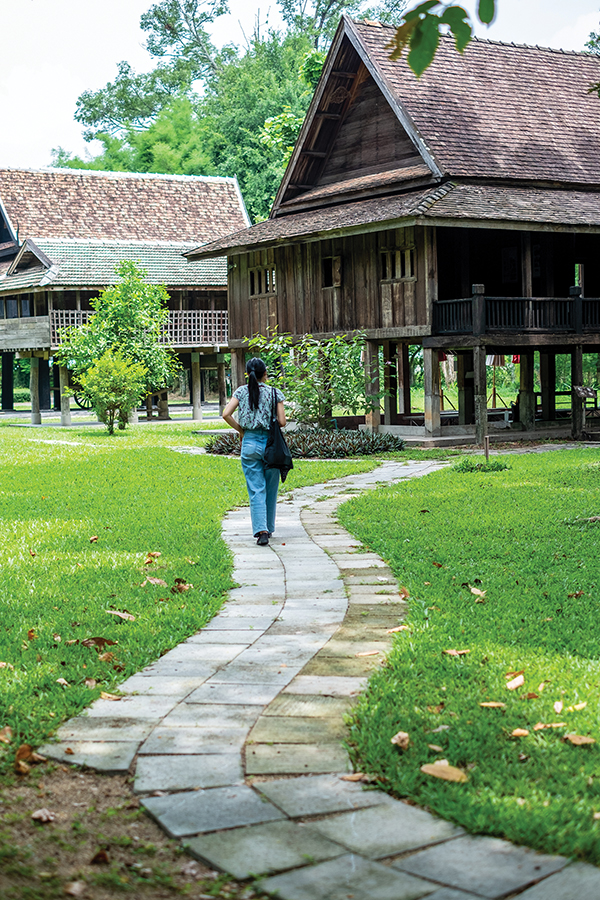
Take a stroll through Chiang Mai’s charming streets, and you’ll notice a compelling blend of traditional and modern housing architecture. Traditional Lanna houses prioritize both functionality and environmental adaptability. Elevated wooden homes featuring steep roofs protect against heavy rains and tropical temperatures. These homes often include open-air spaces and community-centric designs, emphasizing the importance of social connection among Lanna people.
However, the modern influences are evident in the burgeoning urban landscape, with chic coffee shops and vibrant nightlife venues springing up alongside historic wooden structures. This fusion of old and new exemplifies how Lanna culture continues to evolve without losing its deep-rooted heritage.
A visit to the Lanna House Traditional Museum is a must visit in Chiang Mai to see the different beautiful styles of Lanna houses.
Festivals: A Celebration of Lanna Life
Lanna culture truly comes alive during its vibrant festivals. One of the most celebrated is Yi Peng, where thousands of lanterns are released into the night sky, symbolizing the letting go of misfortunes. This breathtaking sight, accompanied by the warmth of glowing lanterns flickering against the night backdrop, creates an enchanting atmosphere that draws both locals and tourists together in a communal celebration.
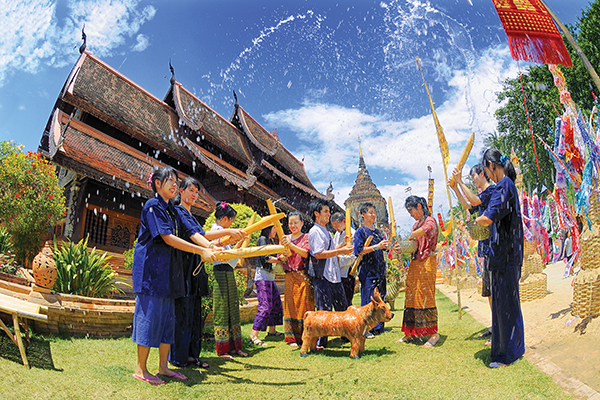
Another significant festival is Songkran, the Thai New Year celebrated in April, marked by lively water fights and traditional religious rituals. In Chiang Mai, the festival is particularly special as it combines water festivities with unique Lanna practices, such as visiting temples for prayer and pouring water over Buddha statues for blessings. It’s a joyful, refreshing time that captures the essence of Lanna hospitality and community spirit.
These festivals not only highlight the rich traditions of Lanna culture but also foster a sense of unity, bringing people together in shared celebrations of life and heritage.
Traditional Medicine and Healing Practices
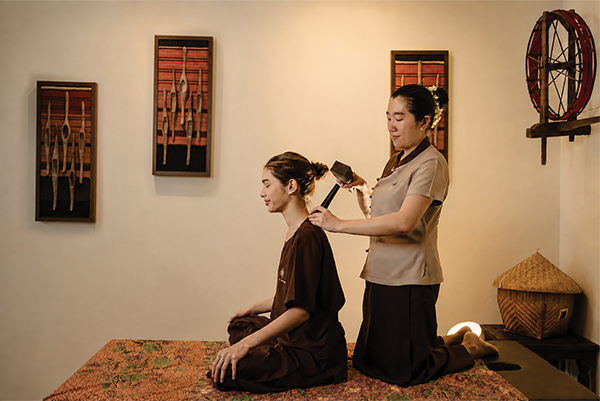
Lanna culture is also renowned for its traditional medicine and healing practices that reflect a deep connection with nature. Herbal remedies and wellness treatments have been used for centuries, with knowledge passed down through generations. You can find local practitioners offering traditional Thai massages and herbal therapies, providing both physical relief and a soothing escape from the bustling city streets.
Lanna herbal steam baths are a popular choice among locals and tourists alike, combining steam therapy with aromatic herbs to rejuvenate the body and spirit. Engaging in these traditional practices not only promotes well-being but also opens a window into the cultural significance of health and wellness in Lanna society.
Nature and Surroundings: The Lanna Landscape
The embracing landscapes surrounding Chiang Mai are equally integral to Lanna culture. With lush mountains, serene rivers, and verdant rice paddies, the region offers a natural playground that serves as the backdrop for many cultural activities. Trekking, biking, and exploring nearby hill tribe villages often reveal aspects of Lanna life that are closely intertwined with the land.
These surroundings offer opportunities for eco-tourism and sustainable practices, allowing visitors to witness how the Lanna community thrives in harmony with nature. Activities like visiting elephant sanctuaries provide insight into responsible tourism, promoting the preservation of both culture and wildlife in the area.
Embracing Lanna Culture: A Personal Experience
Engaging with Lanna culture is not just about observation; it’s about participation! Whether it’s learning to weave a traditional textile, cooking a Lanna dish in a local cooking class, or even participating in temple ceremonies, immersing yourself in these experiences can make your visit truly memorable.
Many hotels in town offer programs that invite you to hands-on local handicrafts and take a close look to traditions, two of the most famous hotels beeing Tamarind Village and Raya Heritage, fostering deeper connections with the community. These experiences create lasting memories, allowing you to understand the heartbeat of Lanna culture beyond the typical tourist trails.
Chiang Mai stands as a vibrant testament to the beauty and complexity of Lanna culture. Its distinct language, stunning textiles, mouthwatering cuisine, and unique architecture create a rich tapestry that invites exploration and celebration. As you wander through this captivating city, always remember to embrace your curiosity. Learn from the locals, share a meal, and dive into the rich history and tradition that make Lanna culture so unique. In doing so, you won’t just be a visitor; you’ll become part of the living story of Chiang Mai—a journey that is sure to leave a lasting imprint on your heart.
October 2026.