Her Majesty Queen Mother Sirikit stands as one of Thailand’s most revered figures, a monarch whose influence spanned not only her royal duties but also a profound and personal mission to preserve and elevate the nation’s traditional crafts. Her passing on October 24, 2025, at the age of 93, has plunged the country into a period of deep mourning for a figure affectionately known as the “Mother of Thai Silk.”
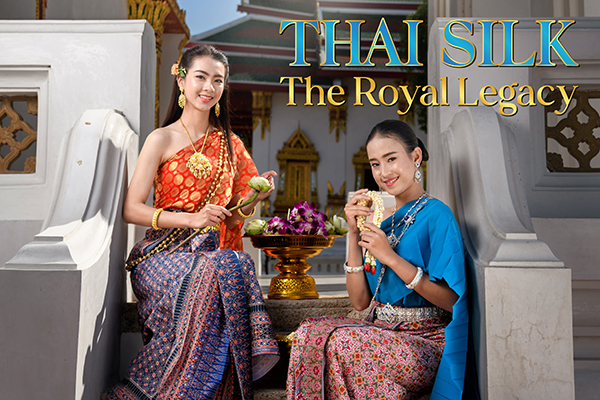
Queen Sirikit is single-handedly credited with the modern revival of the Thai silk industry. Recognizing that traditional weaving skills and sustainable livelihoods were fading in rural communities, she took decisive action. In the mid-20th century, her vision helped pivot Thai silk from a regional craft to a national treasure with international reach. At the heart of this revival was a dedicated initiative—the Support Association for the Promotion of Thai Silk. The foundation mobilized funds, built training programs, and established channels that connected village looms with fashion houses and global buyers. It promoted quality standards, encouraged sustainable practices in mulberry farming, and preserved the meticulous art of weaving Mudmee. The effort didn’t stop at technique; it nurtured design sensibilities, packaging, and branding that translated local skill into products that could compete on a world stage. The country’s silk story widened from handfuls of garments to a coordinated ecosystem of producers, designers, and exporters.
Over time, the work matured into what many know as the SUPPORT Foundation for Thai Silk, a broader platform that carried H.M. Late Queen Mother Sirikit’s dream forward with a structured, enduring framework. This foundation extended training from weaving to business management, helped artisans access microcredit and markets, and fostered cooperative networks that could withstand global competition. It also broadened the repertoire of Thai silk, keeping Mudmee and other traditional methods alive while encouraging modern textures, color palettes, and collaborations with contemporary designers. In effect, the SUPPORT Foundation turned a rural craft into a resilient, value-driven industry—one that could sustain families, villages, and regional economies.
A Global Ambassador and Style Icon.
Queen Sirikit’s most powerful tool for promoting Thai silk was her personal advocacy. She wore Thai silk almost exclusively, both domestically and during her royal tours abroad. Her elegant style and consistent championing of the fabric brought it global attention and prestige, transforming her into an international fashion icon. Every silk garment she wore was a walking advertisement for the beauty and craftsmanship of the Thai people.
A Nation Mourns its Queen Mother
The news of Her Majesty Queen Mother Sirikit’s passing at King Chulalongkorn Memorial Hospital has been met with profound sorrow. She was a figure of grace, compassion, and tireless dedication to the people and culture of Thailand. As the nation observes an official period of mourning, the collective grief underscores the magnitude of her contributions and the irreplaceable role she played as a Queen, a patron of the arts, and the beloved “Mother of the Nation.” Her enduring legacy is woven into the very fabric of Thai culture, forever gleaming in the exquisite threads of Thai silk.
In 2012, in recognition of her lifelong dedication and success in breathing new life into the industry, the Thai people bestowed upon her the honorary title of “Mother of Thai Silk.” Her legacy continues to inspire, celebrated through initiatives like the “Nariratana Rajakanya Khit Pattern” contest, ensuring that the ancient art form thrives for generations to come.
December 2025.