
Thailand is blessed not only with a wide selection of delectable fruits but also with some of the finest varieties found in Southeast Asia, especially during the summer months of June, July, and August. This season brings an abundance of unique flavors and textures that tantalize the palate and invigorate the senses.
This tropical season offers much to explore, from mangoes and durians to pineapples, jackfruits, rambutans, mangosteens, melons, lychees, papayas, guavas, fresh coconuts, and more. Thailand boasts over two dozen kinds of bananas, including a small, finger-sized variety known for its sweetness, along with countless others.
Fruits often serve as the dessert course, but there are also many other options, including various confections enjoyed as snacks between meals. Here is a must-taste selection.
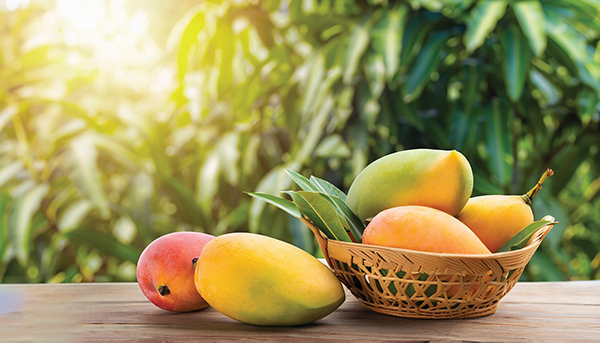
Mango (Mamuang):
Mangoes are a summertime favorite in Thailand, particularly the sweet and fragrant Nam Dok Mai variety. In June, the mangoes reach their peak ripeness, offering a juicy, honey-like flavor that is simply irresistible. Whether enjoyed fresh, served with sticky rice, or blended into refreshing smoothies, this fruit is a must-try for any visitor.
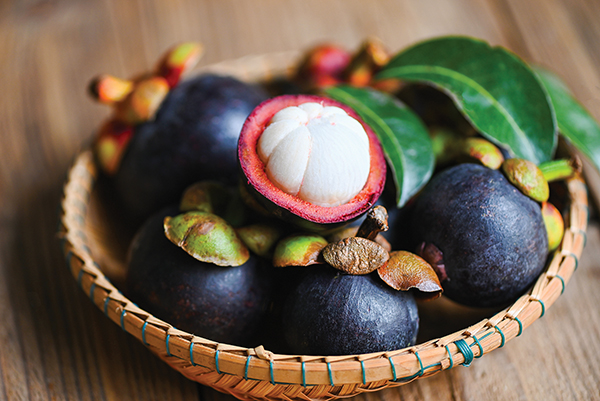
Mangosteen:
Often referred to as the “queen of fruits,” the mangosteen is a tropical fruit native to Southeast Asia. Renowned for its sweet and tangy flavor, the fruit has a thick, purple rind and delicate, juicy white flesh divided into segments. Not only is it delicious, but it is also packed with nutrients, including vitamins C and B, as well as antioxidants known as xanthones, which are believed to offer various health benefits such as anti-inflammatory and antimicrobial properties. Mangosteen can be enjoyed fresh, in juices, or as a supplement, making it a popular choice among health enthusiasts. Its unique taste and potential health advantages contribute to its growing popularity around the world.
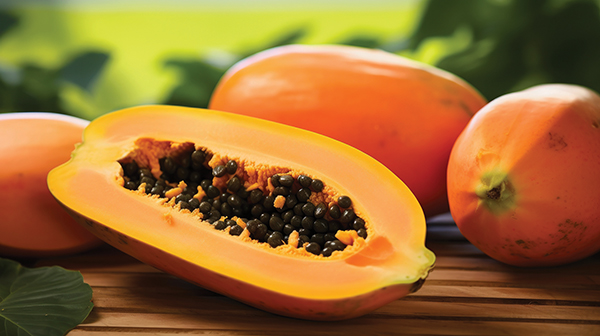
Papaya:
This tropical fruit is celebrated for its sweet flavor and numerous health benefits. Originating from Central America, this vibrant orange fruit is rich in vitamins A, C, and E, as well as essential enzymes like papain, which aids digestion. Papayas are commonly enjoyed fresh, in fruit salads, or smoothies, and can also be used in savory dishes. The fruit is not only delicious but is also known for its anti-inflammatory and antioxidant properties, making it a popular choice for those seeking to boost their overall health. With its unique flavor and nutritional profile, papaya is truly a marvel of the fruit world.
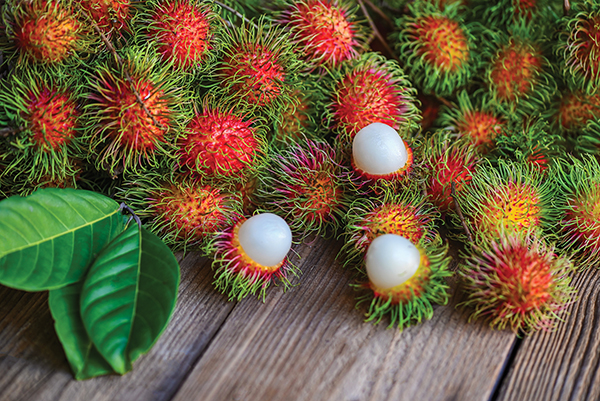
Rambutan:
July ushers in the rambutan season. With its hairy exterior and juicy flesh, this fruit is a visual delight and a sensory treat. Rambutans are sweet, slightly tangy, and incredibly hydrating, making them perfect for hot, humid days. As you peel away the vibrant, spiky skin, you’ll discover a soft, translucent fruit that bursts with flavor.
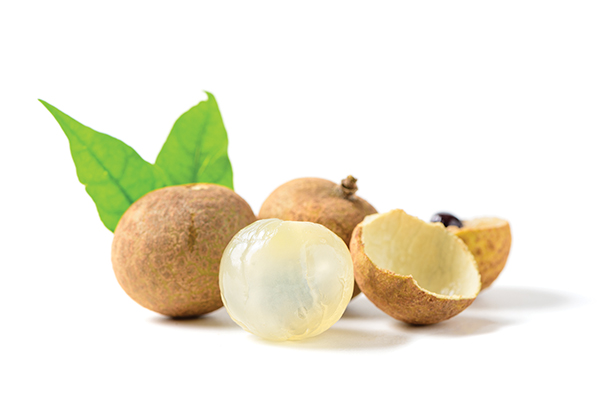
Longan:
Longan season comes into full swing in August. Resembling small, brown lychees, longans have a sweet, floral flavor and a jelly-like texture. They can be found in fresh fruit salads or as a delightful addition to Thai desserts. These bite-sized treats are not only delicious but also packed with nutrients.
Durian:
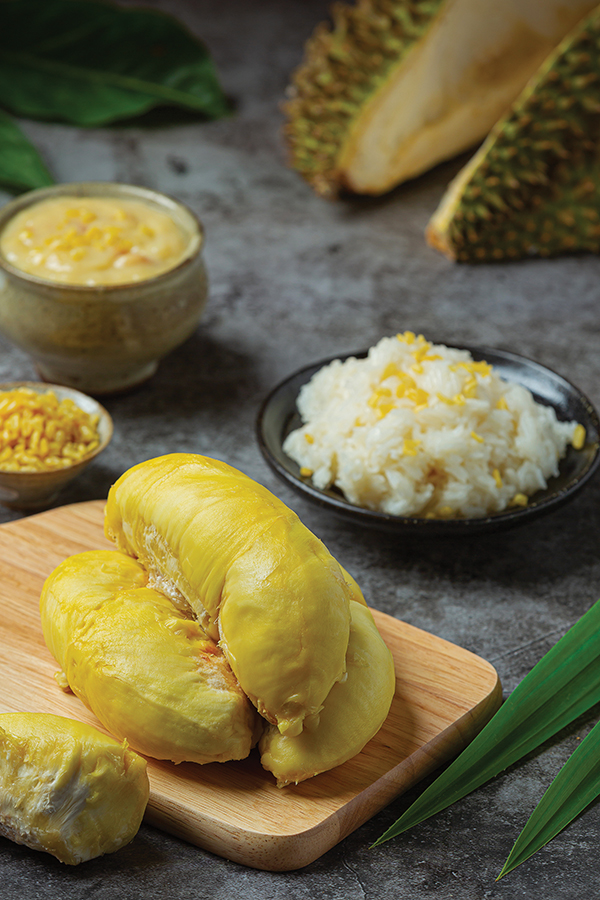
Known as the “king of fruits,” the large durian is both loved and loathed. Available in July and August, its distinctive aroma often divides opinions. It may even be the only fruit you’ll find banned from many hotels and public buildings due to its potent smell. But don’t let the unique fragrance deter you! Use a knife to break through the unmistakable thorny skin and reveal the creamy yellow or white flesh (the color varies depending on ripeness). The taste is custardy, sweet, and savory all at once; some liken it to a combination of sweet almond and butterscotch, with a slight hint of garlic.
Durian is often enjoyed fresh or incorporated into desserts such as ice creams and pastries. It is said to heat up the body, so if you fall in love with this fruit, it’s best not to overindulge.
Green Mango:
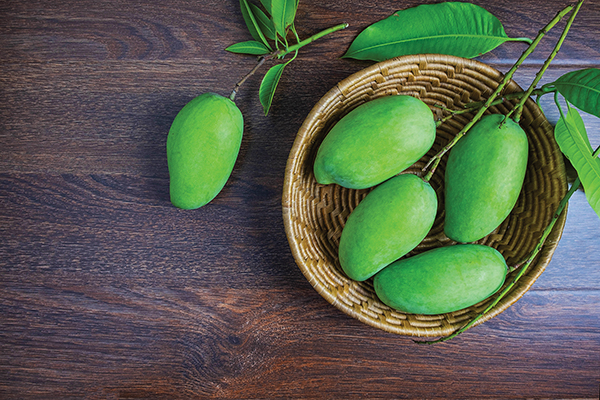
During this time of year, you might come across green mangoes. They typically have a tart taste and a crunchy texture, reminiscent of green apples. Green mangoes are often enjoyed with dipping sauces such as Kapi or Plaala.
Plaala is a fragrant mix of fermented fish, salt, and rice. Kapi, on the other hand, is a spicy shrimp paste dip that may be off-putting to some Westerners due to its strong fishy aroma. Both dips boast robust flavors and are definitely worth trying at least once in a lifetime.
Jackfruit - Cooked and uncooked:
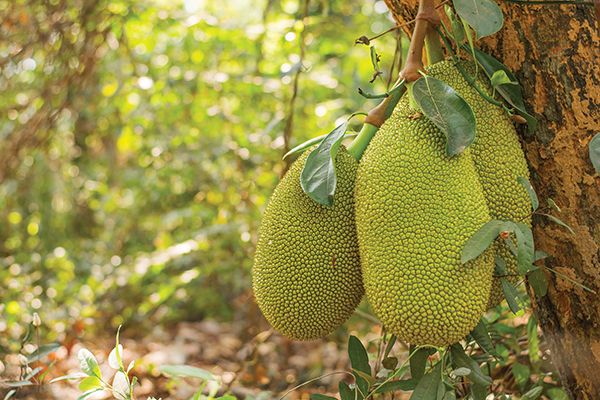
Jackfruit is a popular fruit in Southeast Asia that can be enjoyed both unripe and ripe, as well as cooked. The seeds of the fruit can also be eaten, either cooked or baked, similar to beans.
Green jackfruit is the main ingredient in several dishes, including Kaeng Kanun, a delicious curry from Northern Thailand. Unlike most Thai curries, this dish does not contain coconut milk; instead, it resembles a soup and features pork ribs, young jackfruit, various vegetables, tomatoes, herbs, and spices, along with shrimp paste.
The term “Kanun,” referring to jackfruit, holds auspicious significance, making this soup a common dish for weddings and New Year celebrations in Northern Thailand.
FRUIT AND FRUIT VENDORS:
Few Thai street scenes would be complete without a fresh-fruit vendor, his moveable shop dispenses a selection of sicculent pineapple, green mango, crisp guava (often dipped into a mixture of dried chillies and salt), banana fritters, prickly rambutans, rubyred mangosteens and juicy slices of chilled watermelon.
Enjoying these seasonal treasures not only offers a taste of Thailand’s rich culinary heritage but also a refreshing escape from the heat. Whether you’re a fruit aficionado or a curious traveler, the tropical bounty of Thai fruits in the summer months is an adventure worth savoring!
July 2025.